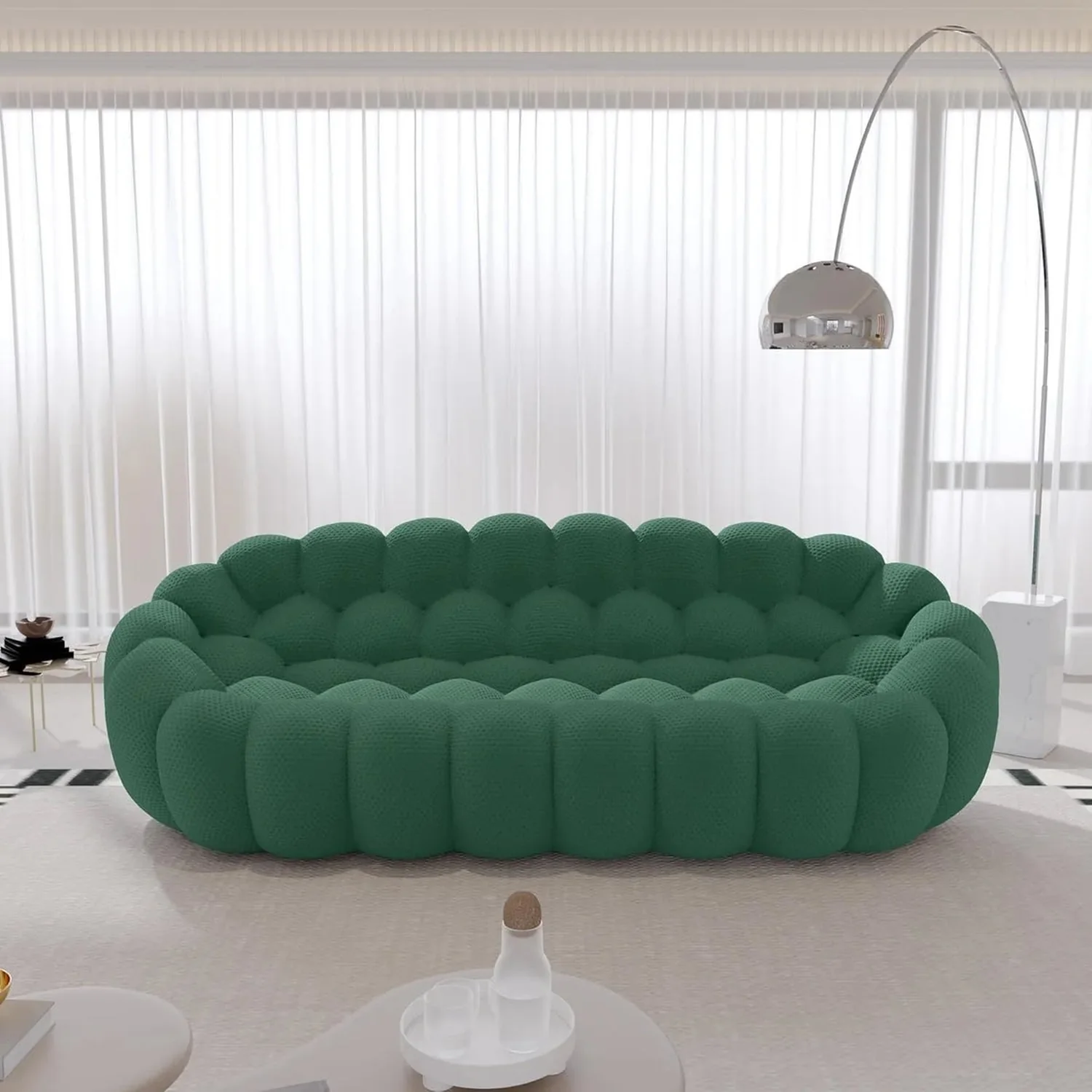
Start with an ordinary evening
Think about what happens after you sit down. If the centre of the room regularly holds several drinks, plates, a laptop or a puzzle, a firm table surface is usually the more straightforward choice. If you mainly want to stretch out while reading or watching a film, an ottoman may make better use of the same space.
Be specific about the household rather than designing around an occasional ideal evening. A tray can make an upholstered surface more useful, but it is still another object to lift away when you put your feet up. The best choice is the one that needs the least rearranging for the activities you repeat most often.
See this piece →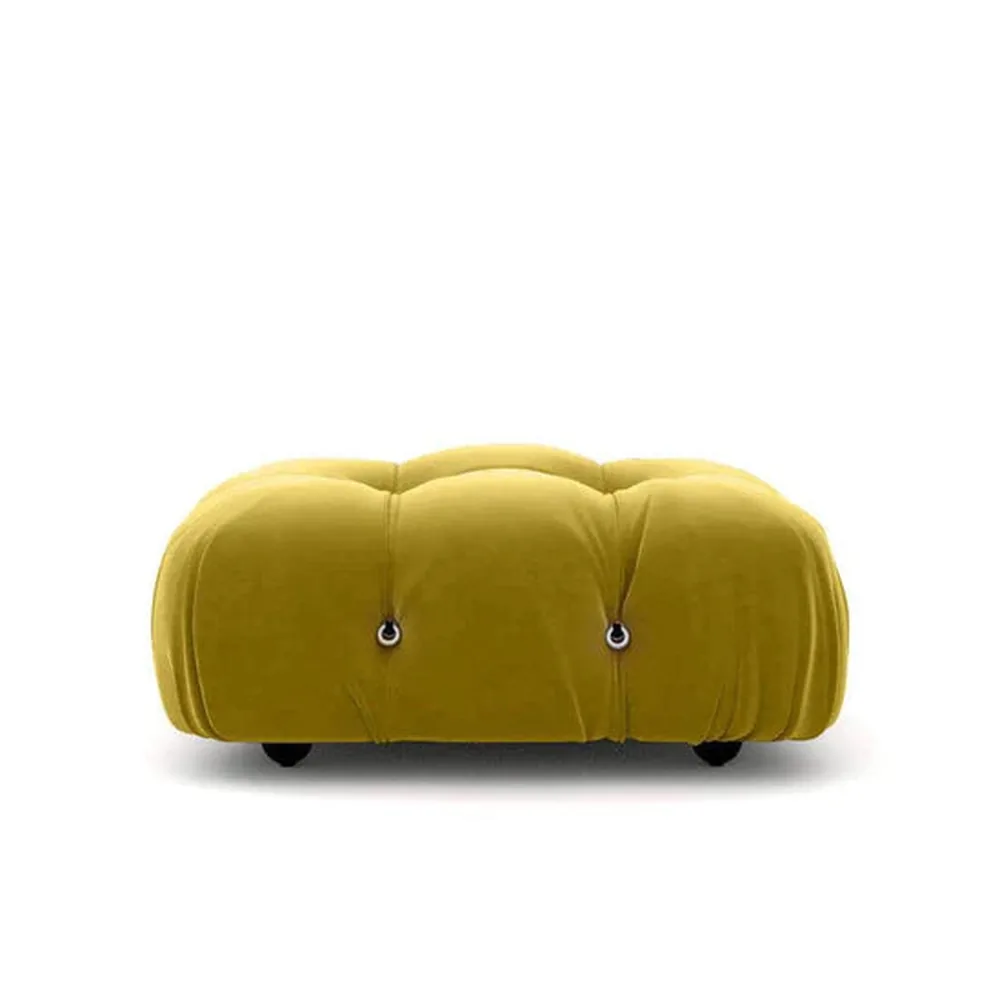
Choose a table when stability comes first
A coffee table provides a dedicated surface for the things you want close at hand. Consider how its top will cope with your routines, and follow the material's care guidance for heat, moisture and cleaning. The appearance of stone, wood or glass does not tell you everything about a particular finish or its maintenance needs.
Look beyond the tabletop. A heavy-looking base can dominate a small seating group, while a more open base may let you see more of the floor. Check leg positions and projecting corners as well as the top's width. A table that appears compact from above may be less convenient when you try to walk around it.
See this piece →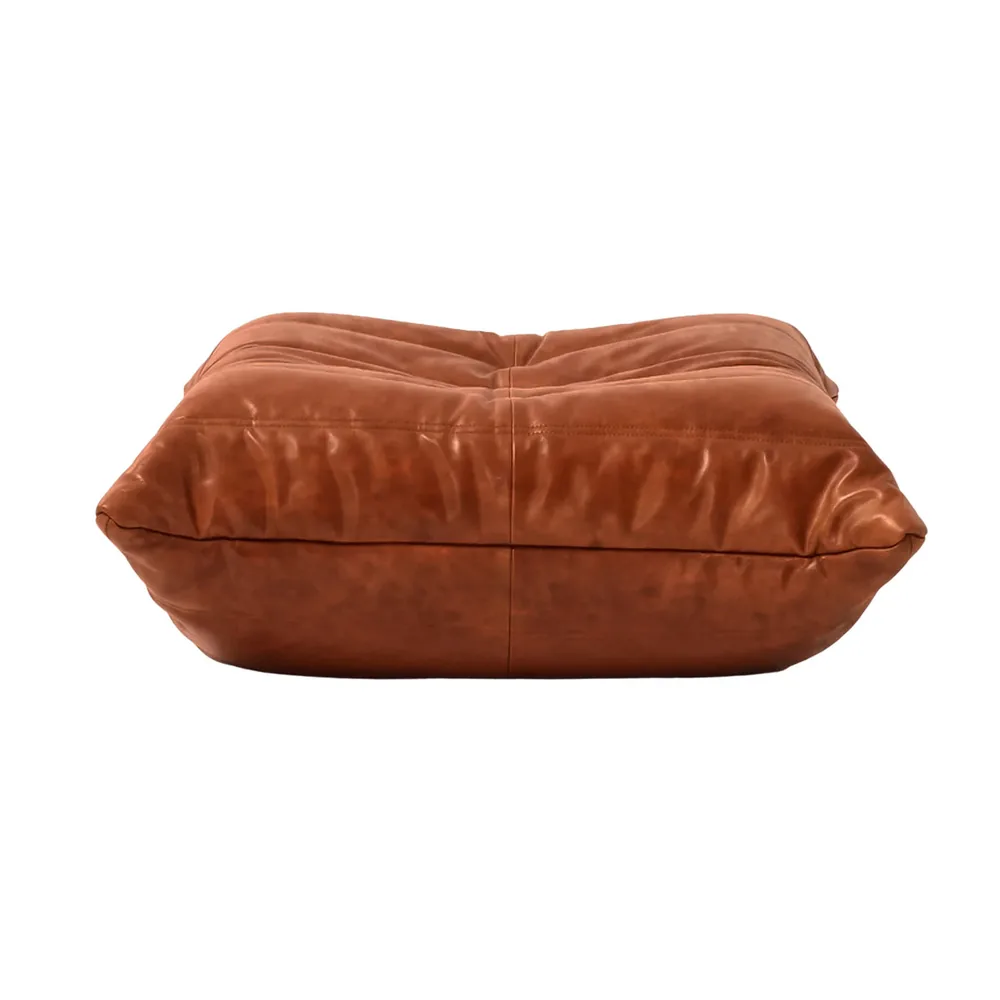
Choose an ottoman for a softer centre
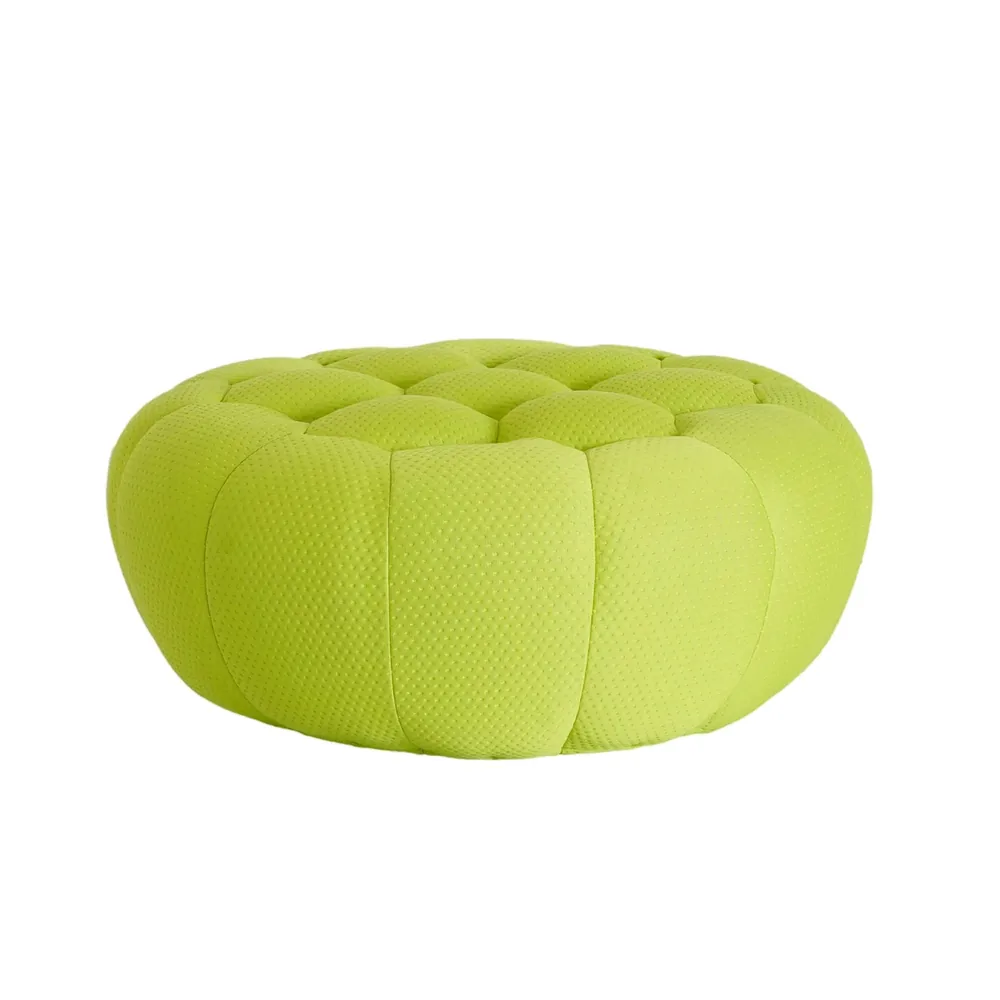
An upholstered ottoman introduces another surface of colour and texture. It can echo a sofa or provide a deliberate contrast: a rounded form beside a more structured seat, for example. Decide whether you want it to sit quietly within the arrangement or become the piece that gives the room its character.
Do not assume that every ottoman is designed for sitting, includes storage or has the same construction as its matching sofa. Check the product's stated use and any load information. If you intend to use a tray, choose one that sits securely and comfortably within the available surface, and remove it before using the ottoman as a footrest.
See this piece →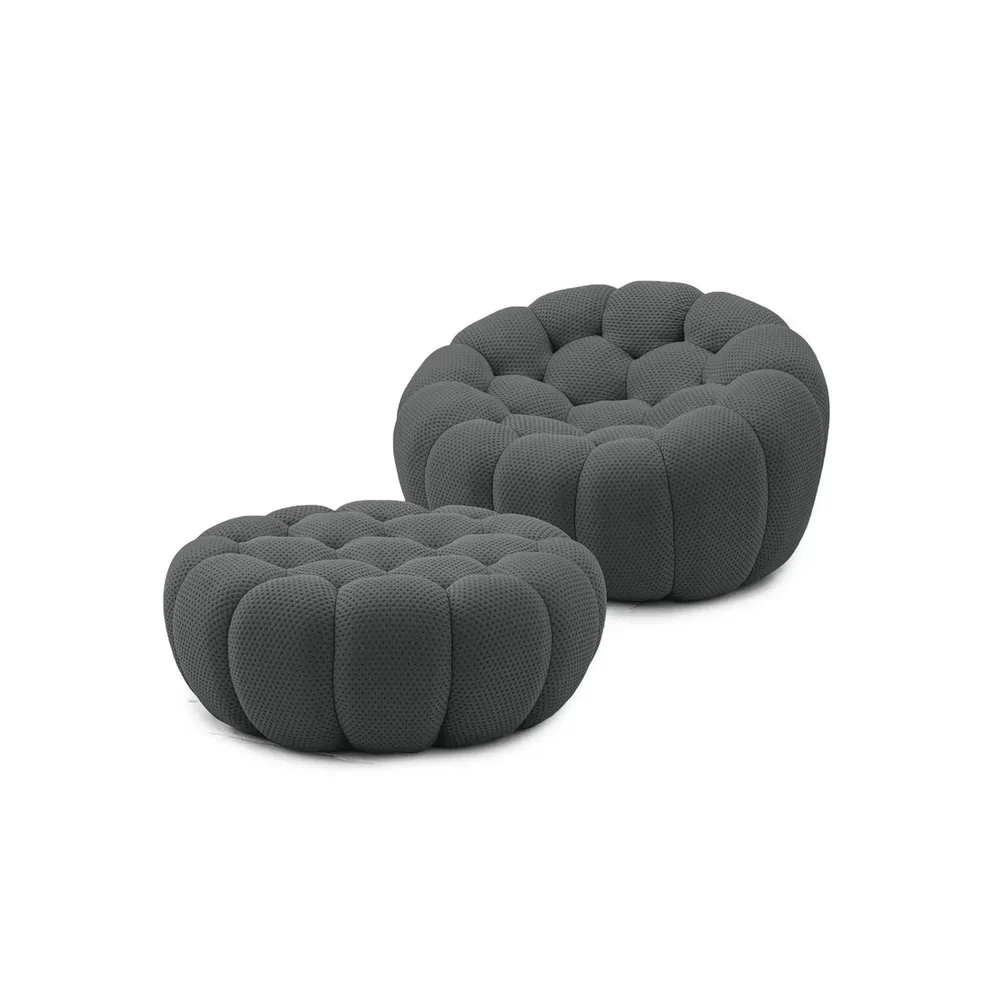
Match the footprint to the seating
Judge the central piece against the usable space between the seats, rather than the overall size of the room. It should be reachable without forcing people to lean excessively, yet leave room to stand up and move past. Test this from every seat, including any chair set at an angle to the sofa.
A round or softly shaped outline can reduce the number of projecting corners around a seating group, but it still needs enough floor space. With a chaise or modular corner sofa, check the shortest gap as well as the longest one. Keep your main walking route outside the gap people use to sit down whenever the room allows it.
See this piece →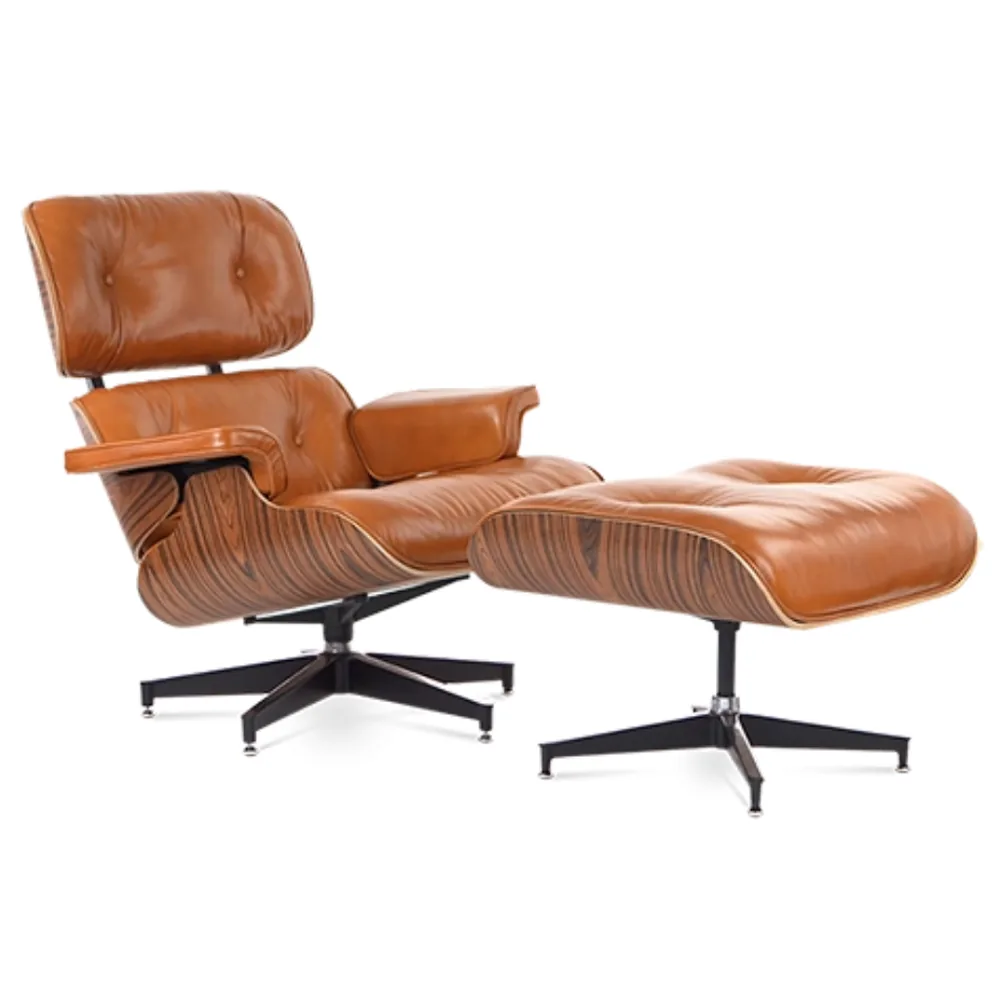
You can combine functions without crowding the room
If you want a comfortable footrest and somewhere reliable for a drink, consider an ottoman with a separate side table beside the seat you use most. This keeps the central piece available for relaxing while placing a firm surface within reach. It can be a simpler arrangement than putting a large tray permanently across the ottoman.
Another option is to leave the centre open and use smaller tables at the edges of the seating area. This is worth testing in a room with a busy route through it. Avoid buying several small pieces merely because each one seems compact; together they can occupy more useful space than one carefully chosen central piece.
See this piece →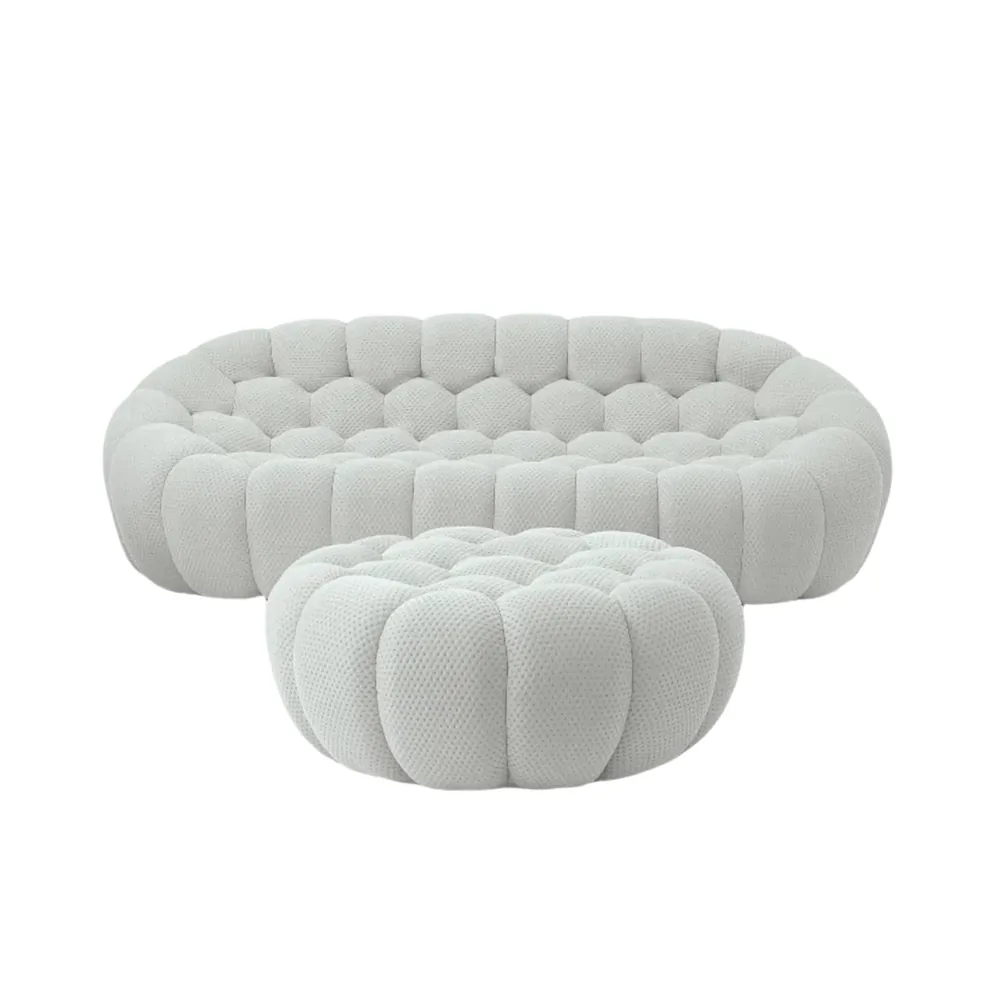
Make the final decision with a simple trial
Mark out the proposed footprint and place an existing box or low surface nearby to help judge the height. Use it only as a visual and reach test, not as a seat or a support. Try the arrangement with the number of people who normally share the room, and notice where drinks, books and feet naturally end up.
Then check the details of the actual piece: dimensions, upholstery or surface finish, cleaning guidance and intended use. Coordinating an ottoman with a sofa can create a calm composition, but matching names do not guarantee the right size for your layout. Start with the practical role and let the final shape make the room feel complete.
See this piece →Common questions
Can an ottoman replace a coffee table?
It can, especially if you mainly want a footrest and a softer central piece. A tray may help with small objects, but a separate firm table is often more convenient when you regularly need a stable surface.
Does an ottoman need to match the sofa?
No. You can coordinate through colour, texture or shape instead of choosing an exact match. Check the dimensions and practical role before making the visual decision.
Can every ottoman be used as an extra seat?
No. Use the manufacturer's stated purpose and load information for the particular product. Do not assume that an upholstered footrest has been designed or rated as a seat.
See the Bubble Sofa collection Shop the range